
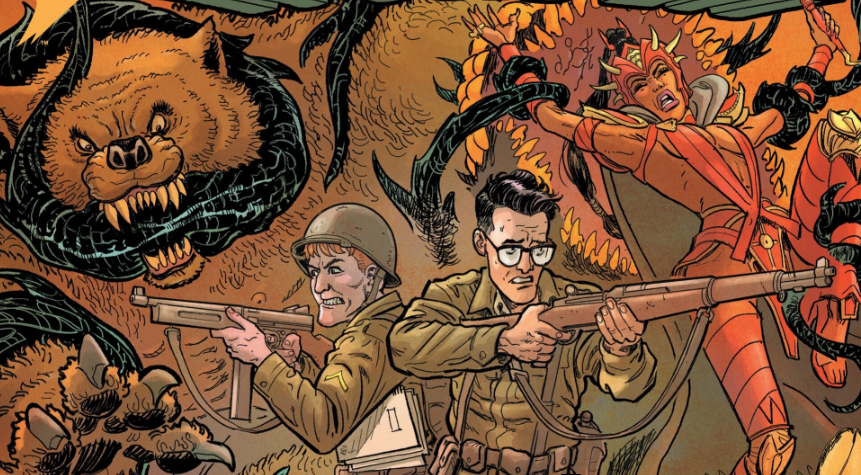
Steve Skroce’s Tales of Wonder #2 takes a sprawling, interdimensional adventure and grounds it in the devastating, deeply personal reality of creative betrayal. While the debut issue set up the mind-bending premise of time travel and forgotten wartime heroics, this chapter pivots to an uncomfortable, human truth: the fragile nature of long-term partnership. By framing Stu and Jack’s relationship as a blistering pastiche of comics history's most infamous creative divides, explicitly evoking the legacy of Bob Kane and Bill Finger while mirroring the bitter, lifelong credit disputes between Stan Lee and Jack Kirby, Skroce turns a superhero epic into an indictment of editorial greed.
A Pencil in the Trenches
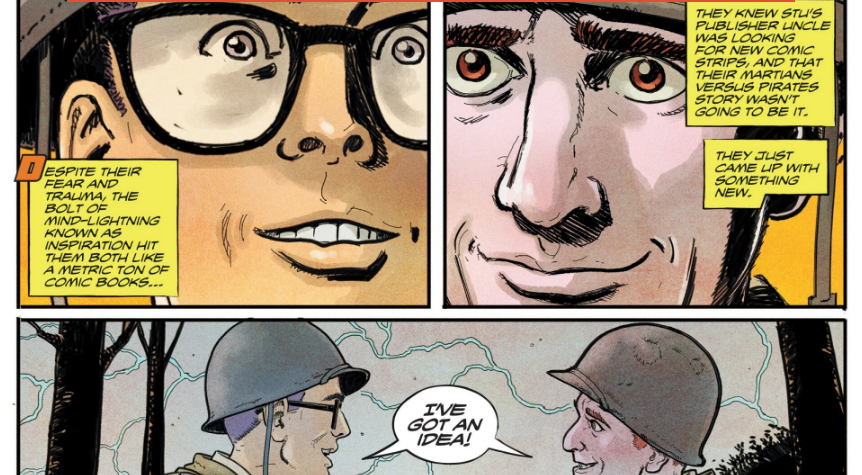
The narrative revisits a pivotal truth from the European theater in 1944, where young Stu and Jack enlist under false pretenses simply to serve their country. While fighting across the war-torn German countryside, they unexpectedly stumble upon a nameless, ragtag unit of mystical beings engaged in an endless battle with the dark wizard Atum Black. What begins as sheer wartime survival is quickly corrupted by opportunism. Recognizing the commercial appeal of Jack’s meticulous field sketches, Stu pitches the concept to his publisher uncle, rebranding these living wonders as a fictional superhero team dubbed the "American Fighting Force." Before either can process the ethics of commodifying their comrades, a magical blast from Atum Black brands both boys, planting a ticking clock that spans generations.
Bursting The (Thought) Bubble
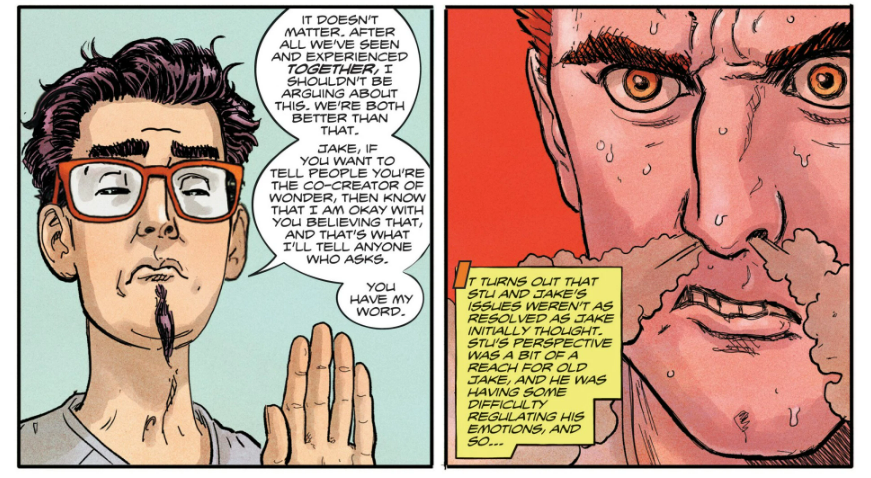
In the present day, the impossible becomes flesh as Stu and Jack stand face to face with the very beings they monetized, mythologized, and named on four-color newsprint. The overwhelming shock forces a public reckoning for Stu, leading to a tearful, seemingly heartfelt apology to Jack for burying the truth and discrediting his memory. Yet Skroce lays bare the venomous hypocrisy of the publisher class: the moment talk turns to capitalizing on the team's return, graphic novels, and age-reversing miracles, Jake asks for an equitable co-creator credit, and Stu laughs directly in his face. It is an excruciating sequence showing that Stu's sentimental brotherhood ends exactly where financial equity begins.
Bleeding into the Gutter
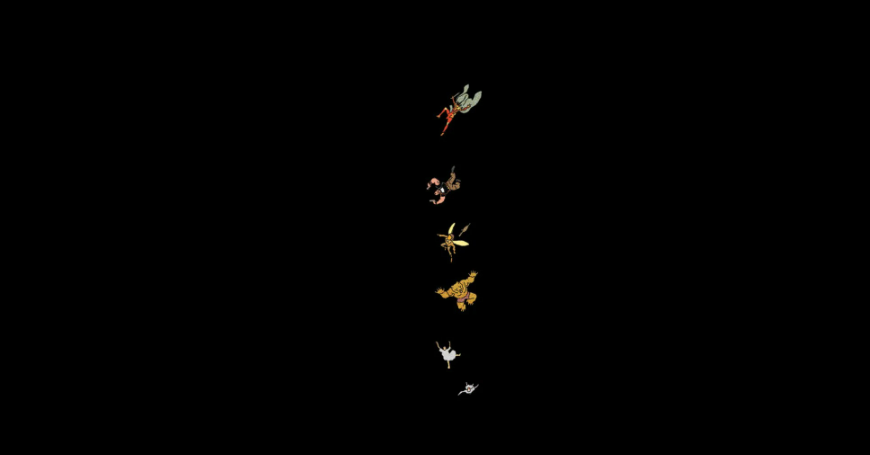
The simmering resentment of decades erupts into a petty, undignified fistfight that knocks over and obliterates the Taciturn Sphere. With their mystical cloaking device reduced to shards, Atum Black descends immediately to claim the arcane aura lingering within the two men. The American Fighting Force mounts a desperate, disorganized defense, opening an emergency portal to escape the onslaught. When their sorcerer fumbles the terminus coordinates, the rift collapses inward, casting both the greedy creators and their displaced creations adrift into the unforgiving expanse of interstitial space.
Crackle and Pop
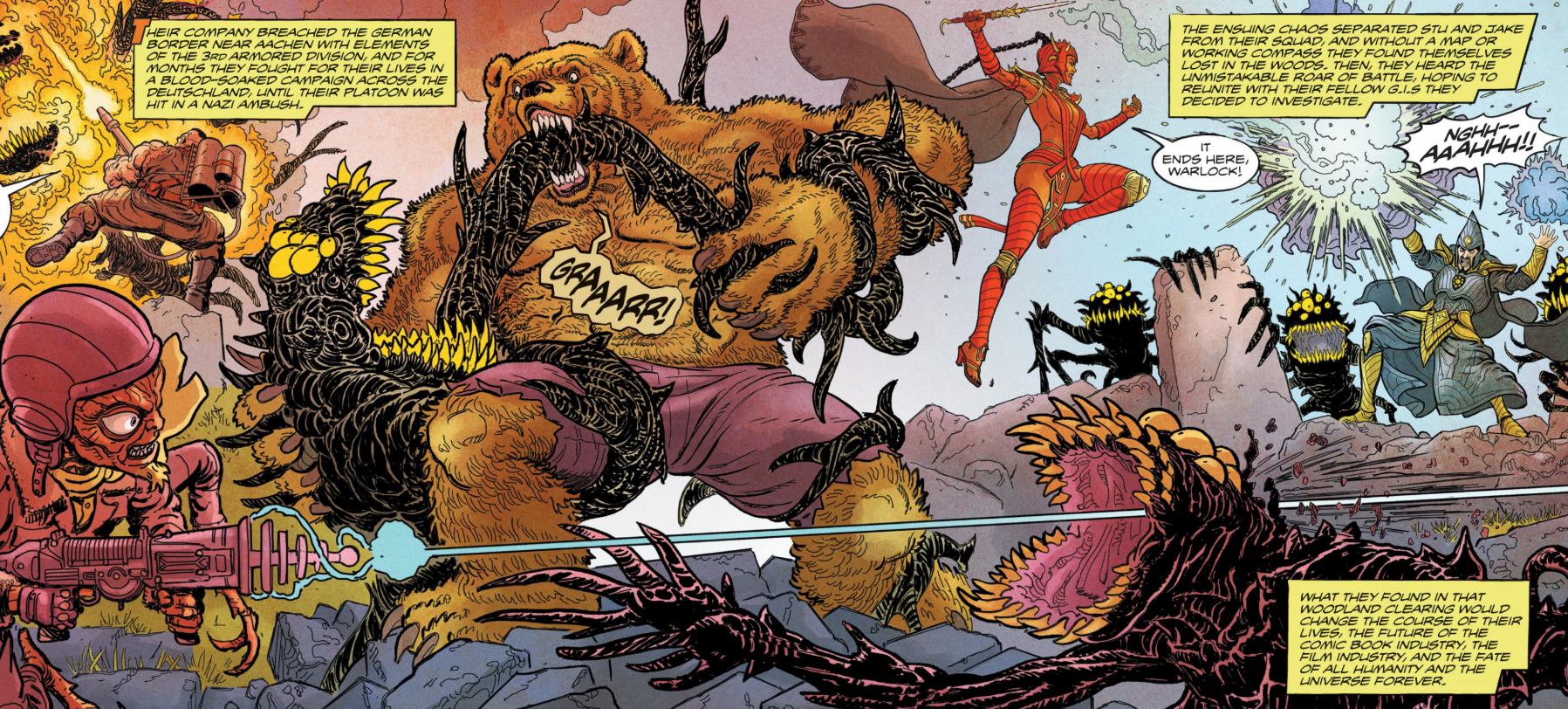
Skroce’s storytelling leans heavily on intentional visual contrast, pivoting effortlessly from mud-caked European trenches to the slick, glossy veneer of modern Hollywood. Ian Herring’s color work does immense heavy lifting, transitioning from grounded wartime earth tones to neon-drenched kineticism during the climax. The standout artistic triumph is the emergency portal itself: Skroce and Herring unleash an unmistakable, explosive wave of authentic "Kirby crackle." It serves as a visual salute to Jack Kirby’s real-world military service and unmatched artistic fingerprint, cementing the book’s status as a heartfelt tribute to the King of Comics.
Conclusion & Verdict
Tales of Wonder #2 delivers a heartbreaking exploration of ambition, proving that even amidst transdimensional rifts and ancient sorcerers, the most toxic hazard in comics is the friend who refuses to share the marquee. Skroce masterfully balances high-concept pulp with an unflinching examination of the industry’s historical sins against its own workhorses.
Verdict: 8/10
A biting, visually stunning chapter that turns an interdimensional superhero romp into an essential meditation on creative ownership and historical justice.